
Client Entertainment in Nashville: Why Structured Experiences Outperform Dinners
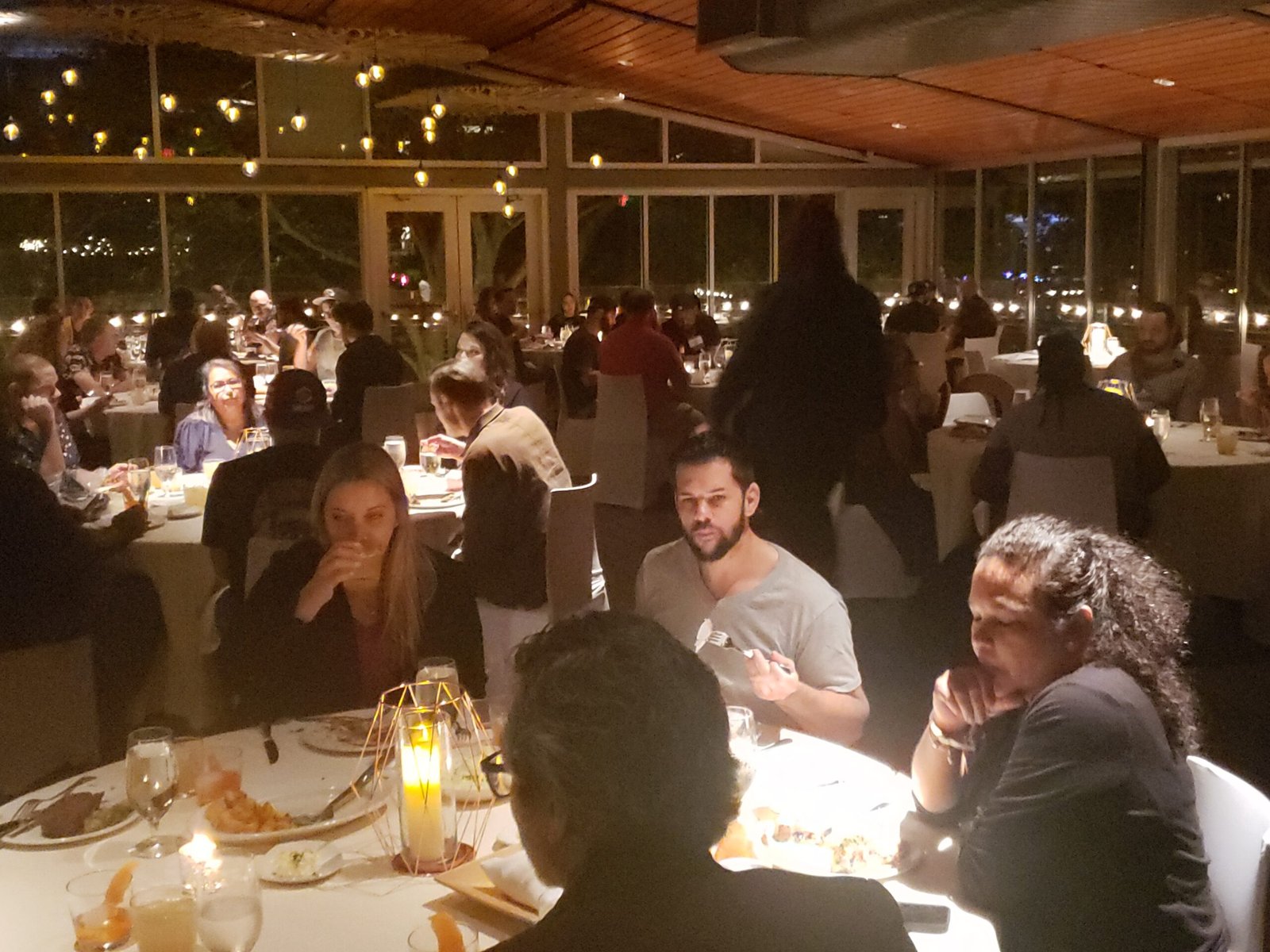
For years, client entertainment in Nashville has followed a predictable script. A reservation at a high-end steakhouse. A private room at a chef-driven concept. A bottle or three of something expensive. A handshake across linen.
There is nothing wrong with dinner. It remains a cornerstone of business hospitality. But in practice, it is passive. The structure is familiar. The energy is uneven. The most talkative person at the table dominates the conversation while others drift into observation mode. When the check closes, the evening dissolves into polite goodbyes and an Uber queue.
The relationship rarely deepens.
Over the past several years working with executive teams, founders, and sales leadership groups in Nashville, I have seen a shift in what high-performing companies actually want from client entertainment. The goal is no longer simply to impress. It is to create connection without awkwardness. To build trust without forced networking. To give people a shared reference point that extends beyond a meal.
This is where structured experiences outperform dinners.
Nashville offers no shortage of restaurants. What it lacks are intentional environments designed specifically for meaningful interaction between clients and hosts. An effective client entertainment strategy requires more than ambiance. It requires pacing, facilitation, shared participation, and a clear beginning and end.
A structured experience changes the energy of the room immediately. Instead of sitting across from one another, guests stand beside one another. Instead of filling silence with small talk, they collaborate toward a common outcome. Instead of consuming something prepared for them, they build something together.
That shift matters.
In a traditional dinner setting, hierarchy remains visible. Senior executives speak first. Junior team members observe. Clients often default to listening. In a structured cocktail workshop, that hierarchy softens. Everyone measures, stirs, tastes, adjusts. There is a shared learning curve. Humor appears naturally. Conversation becomes organic rather than transactional.
The psychological impact is subtle but powerful. When people participate together, they remember the experience differently. They remember who helped them adjust their bitters ratio. They remember the moment the room laughed when someone misjudged their pour. They remember standing shoulder to shoulder rather than across a formal table.
That memory becomes relational capital.
Client entertainment, at its best, should not feel like performance. It should feel like access. Nashville’s hospitality culture is rooted in storytelling and craft. When structured properly, an experience built around Tennessee whiskey provides both context and interaction. Guests are not just drinking. They are learning why something tastes the way it does. They understand the cultural lineage behind it. They take part in the build.
The distinction between spectacle and structure is critical.
Spectacle impresses but fades quickly. A flashy venue, a celebrity chef sighting, a dramatic rooftop view. These elements create atmosphere but not necessarily connection. Structured experiences remove the need for spectacle because the engagement is built into the design. The facilitator manages timing. The transitions are intentional. There is room for conversation but not chaos.
Clarity of structure creates comfort.
Clients do not want to feel trapped at a three-hour dinner when schedules are tight. They do not want ambiguity about when the evening ends. A structured ninety-minute program with defined pacing respects their time. It offers focus without dragging. It allows the host to confidently say, “We’ll wrap at 7:30,” and mean it.
In corporate environments, predictability builds trust.
Another advantage of structured experiences is scalability. A dinner for six behaves differently than a dinner for twelve. As the group grows, conversation fragments. The table splits into subgroups. The host must work harder to maintain cohesion. In a facilitated experience, scalability is designed in from the outset. Whether eight guests or forty, the structure remains intact.
This matters for sales teams bringing multiple clients together or for executive leadership entertaining partners during a conference week in downtown Nashville. The format adapts without losing clarity.
Nashville has become a destination for corporate gatherings, leadership retreats, and client appreciation events. Hotels throughout downtown and the Gulch regularly host executive teams seeking more than tourism. They are looking for something refined yet approachable. Something memorable but not theatrical. Something rooted in the city rather than imported into it.
Structured cocktail experiences meet that demand precisely because they are grounded in craft rather than performance.
There is also an often-overlooked benefit: facilitation.
Most dinners rely entirely on the host’s ability to carry conversation. Not every executive wants to be the entertainer. In a professionally facilitated experience, the burden shifts. The facilitator guides transitions, introduces context, manages pacing, and creates openings for conversation to happen naturally. The host remains present without feeling responsible for every moment of energy.
This reduces pressure significantly.
In my experience working with Nashville-based companies and visiting leadership teams, the strongest client events share three characteristics. They are intentional, participatory, and well-paced. They do not attempt to overwhelm guests with volume. They focus on depth.
Intentionality shows up in how the experience is framed. Why are we here? What are we building? What is the takeaway? When clients leave with a skill or a story rather than just a receipt, the relationship changes.
Participation creates shared ownership. When a guest crafts their own Old Fashioned rather than receiving one from a server, the dynamic shifts from consumer to collaborator. That subtle change builds rapport more effectively than another round of appetizers.
Pacing ensures momentum. Structured experiences move with rhythm. There is time for conversation between builds. There is room for laughter. There is clarity about transitions. The energy does not spike and crash as it often does over the course of a long dinner.
There is also a reputational element to consider. Companies are increasingly conscious of how alcohol is presented within professional settings. A structured, sober-led, educational experience communicates responsibility. It signals professionalism rather than indulgence. Guests can participate fully without the event feeling like a party disguised as business.
For organizations bringing clients into Nashville for conferences, product launches, or regional meetings, this distinction is important. The entertainment should enhance the brand, not distract from it.
From a logistical standpoint, structured experiences also simplify execution. Setup, tools, and cleanup are managed. Timing is pre-determined. The host does not need to coordinate multiple courses or manage vendor surprises. In hotel-based programming or private venues across downtown Nashville, that clarity reduces friction significantly.
Client entertainment is not about volume. It is about signal.
What does your choice of experience communicate about your company? A generic dinner signals standard practice. A carefully designed, structured workshop signals thoughtfulness. It communicates that you value engagement. That you are willing to invest in something participatory rather than transactional.
There is a reason high-performing sales teams increasingly move away from traditional hospitality models. Relationships deepen through shared experiences, not shared menus.
This does not mean dinners disappear. There is still a place for them. But when the objective is to strengthen alignment, build trust, and create lasting impressions, structure consistently outperforms passivity.
Nashville provides a unique backdrop for this evolution. The city’s whiskey heritage offers cultural context. Its hospitality infrastructure supports private groups and executive programming. Its energy attracts companies seeking something distinct without feeling overproduced.
The key is resisting the temptation to chase spectacle.
In a market saturated with rooftop views and headline restaurants, the differentiator is not height or exclusivity. It is clarity. Guests want to know what they are walking into. They want to feel guided without feeling managed. They want to leave having participated in something that felt intentional.
When done correctly, structured client entertainment does not feel like entertainment at all. It feels like connection.
For leadership teams hosting clients in Nashville, the question becomes simple. Do you want your guests to remember what they ate, or do you want them to remember what they built together?
The answer shapes the experience.
Over time, I have seen executives who initially default to dinner reconsider after witnessing the dynamic shift in a structured workshop. The room changes. Energy stabilizes. Conversation deepens. The handshake at the end feels different because it is anchored in shared activity rather than polite obligation.
Client entertainment should create forward motion. It should make the next meeting easier. It should give both sides a common reference point that extends beyond small talk. Structured experiences accomplish that because they are built with intention from the outset.
In Nashville, that approach resonates strongly with companies that value craft, clarity, and connection.
When structure replaces spectacle, relationships strengthen. And in business, that is what actually matters.
About the Author
Christopher A. Mallon is the founder of Tennessee Whiskey Workshop and a longtime hospitality professional with more than two decades in Nashville’s food and beverage industry. His work sits at the intersection of craft, facilitation, and executive programming, specializing in structured experiences designed for leadership teams, client entertainment, and corporate offsites.
Over the past several years, he has worked with sales teams, founders, and executive groups across Nashville to design hands-on programs that prioritize clarity, pacing, and meaningful engagement over spectacle. His approach emphasizes professional facilitation, cultural context rooted in Tennessee whiskey, and seamless execution that respects both time and brand standards.
In addition to leading Tennessee Whiskey Workshop, Christopher serves in leadership roles within the hospitality community and regularly consults on experiential design for corporate environments. His perspective combines operational hospitality expertise with a disciplined understanding of group dynamics, executive expectations, and scalable program structure.
When not hosting workshops, he writes on hospitality culture, team dynamics, and the evolving landscape of corporate entertainment in Nashville.
Learn more about corporate experiences in Nashville or connect directly to discuss a custom program
0 Comments